What is an IP?
Before going on you need to know:
· How to read.
Introduction:
When people talks about an IP what they are referring to is the address of a
device (e.g. Laptop, tablet, phone etc.). Each device needs a “unique”
number to communicate with other devices using a network. This number is
assigned to the device and may change in some point of time. This article
explains in detail: What is an IP? And why it is so important for
communications?
Just to be clear:
This article covers IPv4 not IPv6.
What is an IP?
For those who are anxious and need to know, an IP is a numeric address
assigned to a computer, table and/or phone used to communicate with
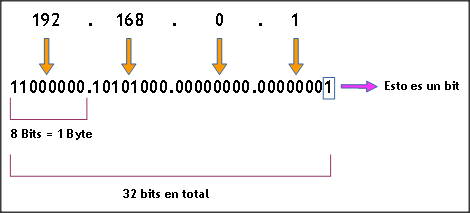
others devices. For example, this is an IP address [192.168.0.1]. Each device
that needs to communicate using the network needs a similar IP address (but
not equal). It is important to clarify that IP has a broader and correct
meaning. IP stands for Internet Protocol. It is a protocol (groups of steps and
rules to follow) used to handle packages in a way they can arrive to their
destination. With this in mind when we talk about the numbers we should
use the term IP address and not just IP.
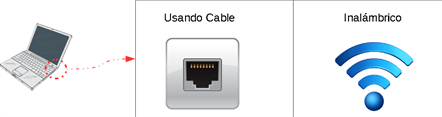
The roll of the NIC for the packets is like the roll of a boat dock to the boats.
The boats enter and exit from the dock like the packets enter and exists the
NIC.
How is the communication process?
The communication process is like the process of sending a mail letter. In
order to send a mail letter a destination address is needed (for the computer
it will be the IP address) and the return address. If no return address is wrote
on the envelope you will never receive a letter back. For the computer
scenario is actually the same without a return address the packets does not
know how to return.
The communication process start at the device (read article: "Understanding
OSI model") and then travel across the network (read article: "Delivering a
data packet")
Essentially:
The source and destination IP address is very important for communication to
take place. The IP term references the protocol while the address is called IP
address. The IP address is composed of 4 groups of 8 bits each.
Recommended reading: